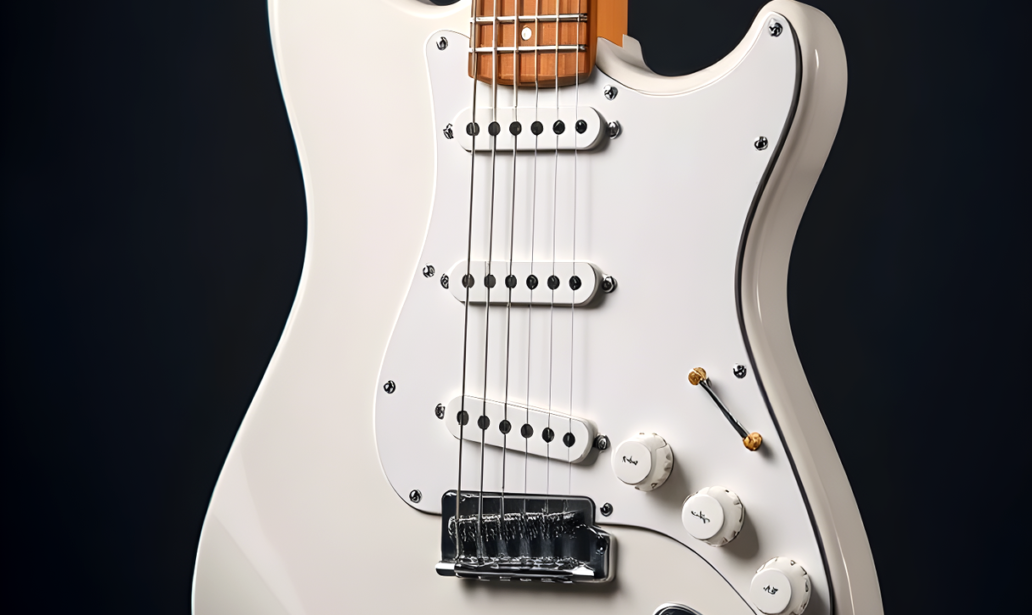
The electric guitar has come a long way since it first appeared. It has been shaped by many innovations and changes. These have turned it into a key part of today’s music.
Looking into the Electric Guitar History helps us see how it has changed over time. This article will explore its beginnings, important models, and its big impact on many music styles. We will look at the tech improvements and famous brands to show how the electric guitar has evolved. This is for both music lovers and those who want to play the guitar.
Key Takeaways
- The electric guitar has transformed significantly since its inception.
- Understanding its history highlights its role in modern music.
- Technological advancements have shaped the electric guitar’s capabilities.
- Iconic brands play a crucial role in the development of the electric guitar.
- The electric guitar influences a variety of music genres worldwide.
The Birth of the Electric Guitar
The electric guitar’s birth was a big deal in music history. It showed a huge change in sound and design. This change started with trying to make acoustic instruments louder. Innovations like electromagnetic pickups were key to this.
People like George Beauchamp and Adolph Rickenbacker were at the forefront. They made some of the first electric guitars. These guitars changed how musicians play and perform.
Early Innovations in Guitar Design
Changes in guitar design in the late 19th and early 20th centuries were crucial. Electromagnetic pickups let musicians play louder. This made their performances more lively and interesting.
These changes caught the attention of many guitar players. It led to a big increase in the electric guitar’s popularity. This changed how music was played and enjoyed across different genres.
Transition from Acoustic to Electric
The move from acoustic to electric guitars changed music forever. Models like the Rickenbacker Electro showed this big change. They gave musicians a new way to connect with their audience.
This mix of electric and traditional playing styles made performances more exciting. It made the electric guitar a key part of popular music.
Influential Models of the 1930s and 1940s
The 1930s and 1940s were key years for electric guitars. The Rickenbacker Electro was a major breakthrough, being one of the first mass-made electric guitars. It had steel strings and electromagnetic pickups, making music louder and more powerful.
The Rickenbacker Electro
The Rickenbacker Electro changed the game with its design and sound. Musicians loved its clear, bright tone and easy playability. It was a hit in many music genres, shaping the sound of country and rock.
Gibson’s Role in Electric Guitar Development
Gibson Electric Guitars also made big strides in electric guitar tech. The ES-150 was a game-changer. Jazz guitarist Charlie Christian made it famous, showing its versatility. The ES-150 became the sound of jazz, making Gibson a top name in electric guitar design.
The Evolution of the Electric Guitar
The electric guitar has seen huge changes over the years. New tech like humbucking pickups and solid bodies made it sound better and cut down on noise. These changes let musicians play with more tones and effects, opening up new ways to express music.
Technological Advances and New Features
Big steps forward include new pickups for different sounds and better materials for the body. Things like tremolo systems and built-in effects have made the electric guitar even more versatile. This evolution has led to new ways of making music, changing how songs are written.
Impact on Music Genres and Styles
The electric guitar has changed many music styles. It went from blues in the 1950s to rock and metal’s loud sounds. It’s also influenced jazz, country, and pop, reaching many listeners. Its ability to create dynamic sounds keeps inspiring musicians, making it a key part of today’s music.
Solid Body vs. Hollow Body Electric Guitars
Choosing between Solid Body Electric Guitars and Hollow Body Electric Guitars changes how your guitar sounds and feels. Each type has its own special features. These features suit different music styles and tastes.
Sound Quality and Tone Differences
Solid Body Electric Guitars, like the Fender Stratocaster, have great sustain and resist feedback. This makes them perfect for rock music. They offer a clear, sharp sound that works well with strong playing and loud pickups.
Hollow Body Electric Guitars, such as the Gibson ES-335, are known for their warm, rich tones. They have an acoustic feel that jazz and blues musicians love. This sound is perfect for creating deep, expressive music.
Popular Models and Artists Associated
Many famous artists have picked specific guitars to create their unique sound. The Fender Stratocaster, a Solid Body Electric Guitar, is loved by rock stars like Jimi Hendrix and Eric Clapton. It’s known for its bold sound.
On the other hand, jazz legends like B.B. King chose Hollow Body Electric Guitars, like the Gibson ES-355. They loved the guitar’s smooth, rich tones. Both types of guitars have shaped music, leading to a wide range of sounds and styles.
Pioneers of Electric Guitar Playing
The electric guitar’s journey has been shaped by key figures. Artists like Les Paul and Charlie Christian changed the game. They introduced new techniques that influenced many musicians.
Their work inspired a culture of guitar virtuosity. This culture has grown over the years.
Key Figures in Guitar Innovation
Les Paul was a pioneer in electric guitar playing. He used advanced recording techniques and unique designs. His work set new standards for sound.
Charlie Christian also made a big impact. His solos helped the electric guitar become a key part of jazz and popular music. These innovators opened doors for future musicians.
The Rise of Guitar Virtuosity
The electric guitar’s evolution led to a new era of guitar virtuosity. Artists like Jimi Hendrix and Eric Clapton used the electric guitar to create unique styles. Their performances were filled with skill and emotion.
This rise shows the lasting impact of pioneers like Les Paul and Charlie Christian. Their influence is still felt by today’s guitarists.
The Electric Guitar in Rock and Roll
The electric guitar changed music history in the 1950s and 1960s. It became a key symbol of rock and roll. Artists like Chuck Berry used it to create new sounds that defined the genre.
Defining Moments of the 1950s and 1960s
The 1950s saw big moments for the electric guitar. Chuck Berry’s shows were electrifying and inspired many. Elvis Presley’s mix of style and guitar sound won over the youth.
The Beatles and The Rolling Stones also made the electric guitar a staple in music. Their impact on society and trends was huge.
Influence on Youth Culture
The electric guitar shaped youth culture in the 1950s and 1960s. It let young people express themselves and challenge the status quo. The music and culture around it brought young people together, fostering freedom and creativity.
The electric guitar’s influence went beyond music. It changed the attitudes and dreams of a whole generation. Its legacy still shapes music and culture today.
Technological Advances in Electric Guitar Production
The world of electric guitar making has changed a lot over time. New manufacturing methods and a better understanding of materials have played big roles. These changes have made electric guitars better and more varied than before.
Manufacturing Techniques
Computer-aided design (CAD) and CNC machines have made a big difference. They help make guitars more precise and consistent. This means guitars that sound great for both new and experienced players.
These new ways of making guitars also make it easier to keep up with what people want. It’s all about making guitars fast and meeting customer needs.
Materials and Electronics Evolution
There’s been a big move to using hardwoods for guitar bodies and new materials for parts like pickups. This has led to guitars that sound amazing. The electronics have also gotten better, offering more ways to customize the sound.
Now, musicians can make their guitars fit their unique style. This makes electric guitars more flexible than ever before.
Famous Electric Guitar Brands
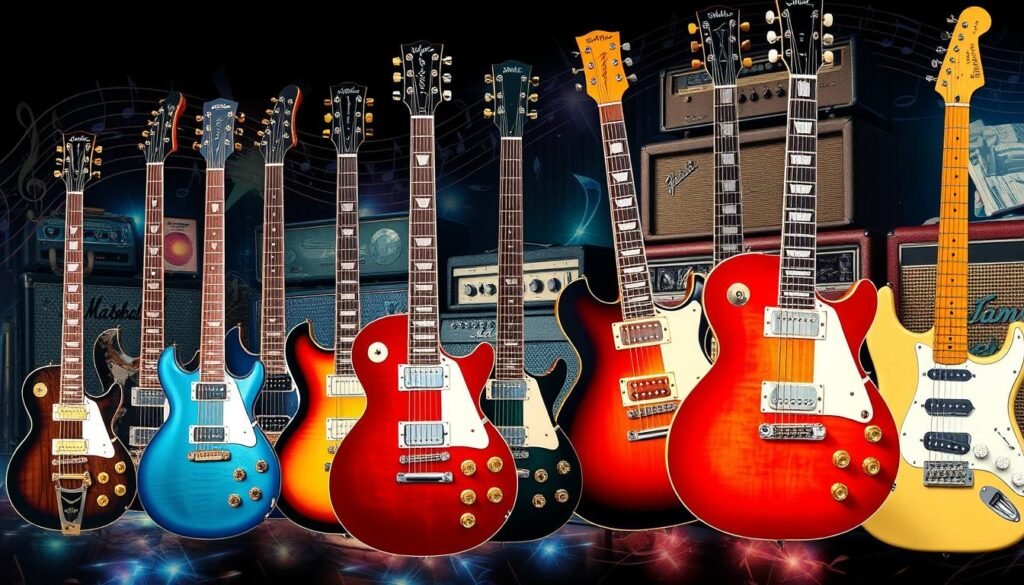
Fender and Gibson are top names in electric guitars. They have made big impacts on music. Each brand has its own special history, shaping many music styles and appealing to all skill levels.
Fender and its Iconic Stratocaster
The Fender Stratocaster is a legend in music. Its unique shape and flexibility make it loved by many musicians. It’s perfect for rock, blues, or jazz, offering a rich and dynamic sound.
This model has been key in the evolution of the electric guitar. Many artists have shown off its special tones and flexibility.
Gibson Les Paul’s Timeless Appeal
The Gibson Les Paul is a classic among electric guitars. Its special design and long sustain have won over rock legends. It’s known for its warm, full sound, making it a favorite for both recordings and live shows.
This guitar has a deep history that connects with musicians everywhere. It’s a timeless choice in the music world.
The Role of the Electric Guitar in Modern Music
The electric guitar is key in modern music, adding a unique sound to many genres. It’s used in rock, pop, jazz, metal, and hip-hop. This makes it a versatile tool for musicians, allowing them to play both rhythms and solos.
Genres Shaped by Electric Guitar
The electric guitar has changed many music styles. It brings energy to rock and reaches more people in pop. Jazz and metal show its technical and creative sides, proving it’s more than just an instrument.
Electric Guitar in Contemporary Music Scenes
Today’s music sees new ways to use the electric guitar, with effects and tech creating unique sounds. Artists from different genres work together, making music that’s both fresh and exciting. The electric guitar keeps inspiring musicians, shaping the sound of today’s music.
Electric Guitar Accessories and Modifications
Guitarists often look to improve their sound with Electric Guitar Accessories. Effects Pedals are a key tool for changing sounds. They offer options like distortion, reverb, and delay, letting musicians create unique tones.
Effects Pedals and Sound Manipulation
Effects Pedals help guitarists make their music stand out. For example, a distortion pedal can add a gritty edge to a clean sound. A reverb pedal can make the sound feel bigger, like it’s in a big room.
This flexibility sparks creativity. It lets players change their sound to fit different music styles, from rock to jazz. Trying out different pedal combinations can lead to a truly unique sound.
Aftermarket Modifications: Pros and Cons
Aftermarket Modifications let guitarists customize their instruments. Upgrades like custom pickups can change the guitar’s sound. Better fret work can make playing easier and more fun.
But, there are risks. Changes can void warranties or need special skills to install. Making informed choices about these modifications can make playing more rewarding.
The Future of the Electric Guitar
The electric guitar world is changing fast. New design trends and advanced technology are leading the way. These changes make guitars sound better and play easier.
Trends in Design and Technology
Today’s electric guitars are designed for comfort and sound. They use lightweight materials and shapes that fit your body. Also, new tech like digital modeling and effects let musicians create unique sounds.
Electric Guitar’s Place in Future Music
The electric guitar will keep playing a big role in music. As styles mix and grow, these guitars will stay key to making music. With new methods and tech, they’ll stay true to their roots while exploring new sounds.
Guitar Education and the Electric Guitar
Electric Guitar Education is key in growing the next wave of musicians. Today, we have many ways to learn, like online courses, YouTube tutorials, and one-on-one Guitar Lessons. These options help all levels of players, offering more learning chances than before.
Good guitar education focuses on technique, music theory, and performance. Students learn the basics that let them show their creativity and unique style. Knowing the electric guitar’s history also helps them appreciate its role in music.
Learning guitar is more than playing notes; it’s about connecting with the electric guitar’s rich history. Guitar education lets students dive into their musical interests and get inspired by famous artists. By learning from the past and trying new things, they can start their own musical path with the electric guitar.